Undiagnosed Vision Problems Hurting Children’s Academic Success: Eye Specialist Warns Parents and Teachers.
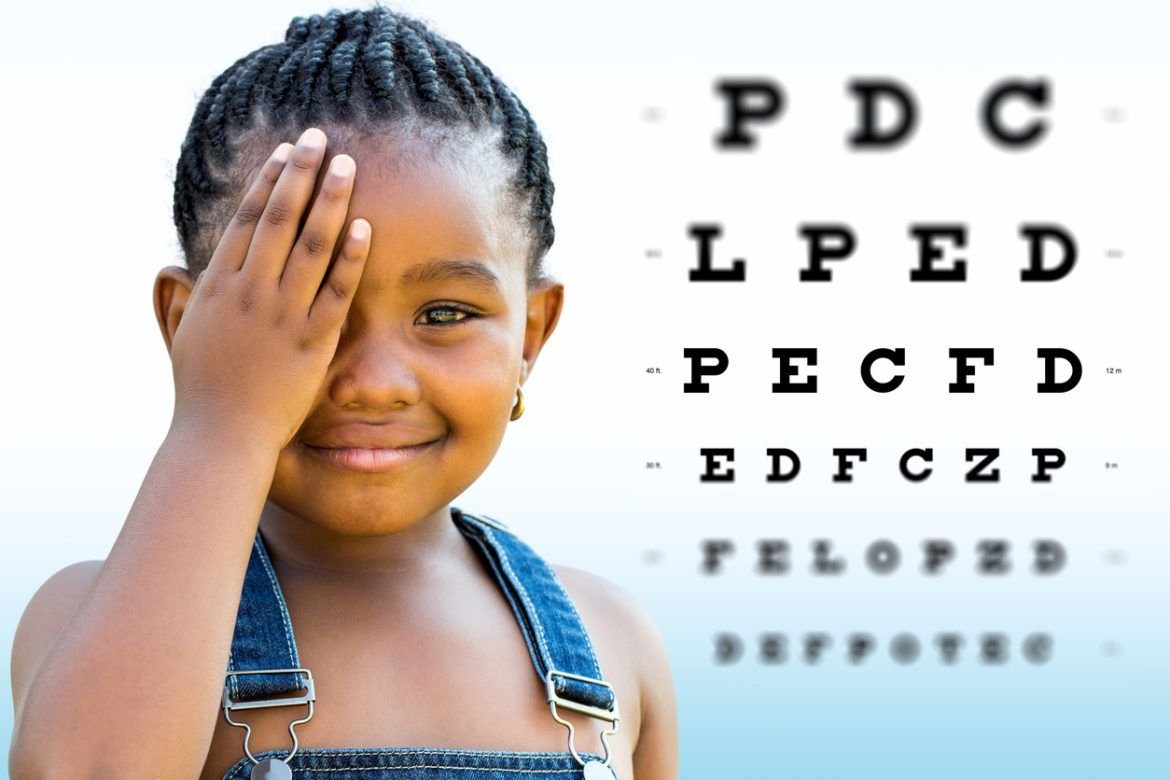
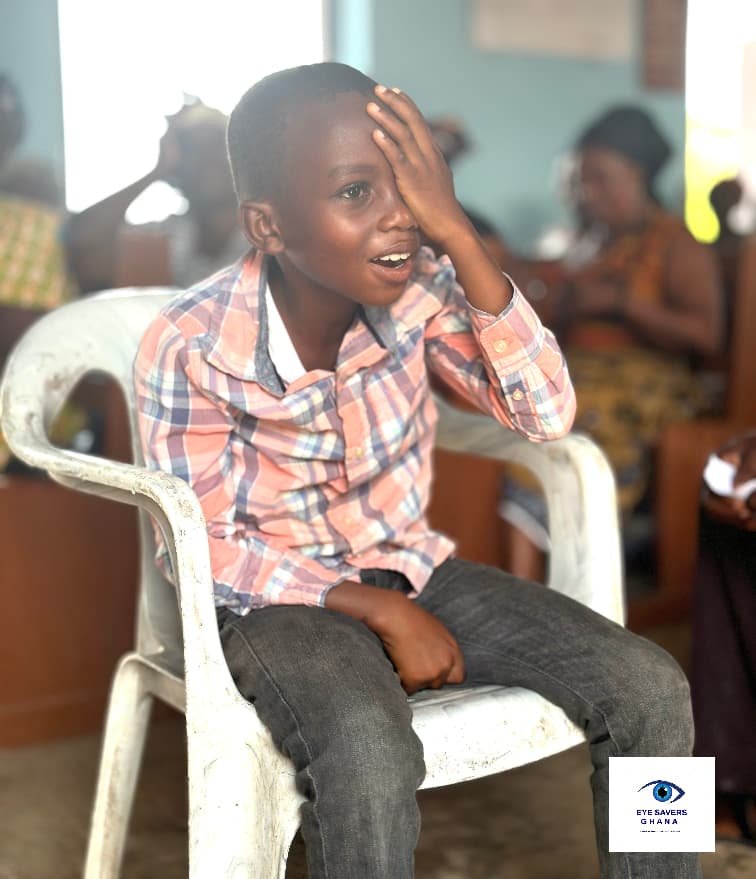
By Dr. Obeng Emmanuel A. Gyimah (Eye Savers Ghana - Eye Health Programs Director) As an eye care specialist, I have noticed a troubling trend in the increasing number of children with refractive errors, leading to serious issues such as amblyopia (lazy eye) and poor academic performance. Unfortunately, many of these cases go undiagnosed at an early stage due to a lack of awareness from parents and teachers who may not recognize the signs of refractive errors. Refractive errors like myopia (nearsightedness), hyperopia (farsightedness), and astigmatism can severely impact a child's ability to see the board, read, or focus on schoolwork. When these conditions go untreated, children are often left struggling academically and socially. In more severe cases, undiagnosed refractive errors can result in amblyopia, a condition where one eye becomes weaker due to improper development during childhood. Attention Parents, Guardians and Teachers: Identifying Visual Impairments in Children. It is crucial that parents, teachers, and caregivers are educated on how to identify potential vision problems early on. These are vital indicators of your child’s eye health, and undiagnosed visual impairments can significantly impact their performance at school and daily activities. Here are some signs to look out for: 1. Getting too close to books or screens: If your child needs to hold a book very close or sit too close to the TV, they may have trouble seeing things clearly from a distance, which can affect their ability to focus in class. 2. Zooming in to see better: Constantly needing to zoom in on devices or enlarge texts can indicate difficulties with seeing small print, a sign of vision problems. 3. Difficulty seeing things from afar: If your child struggles to see objects, people, or the board from a distance, it can affect their ability to follow lessons and engage fully in activities that require distance vision. 4. Frequent eye pain or headaches: Mild, consistent eye pain or headaches, especially after reading or watching TV, can be a symptom of uncorrected vision problems, such as eye strain or refractive errors. 5. Routinely cover one eye of your child and ask if they can see better, then do the same for the other eye. This simple test can help identify potential refractive errors and ensure early intervention. If you notice any of these signs, it is important to seek professional eye care immediately. Early diagnosis and intervention of visual impairments are key to improving your child’s learning experience and overall well-being. A simple eye check-up could be life-changing for your child's future. I strongly encourage regular eye exams for children, especially before they start school, to catch these problems early. Awareness is the key to preventing vision-related academic struggles and improving children's overall development.